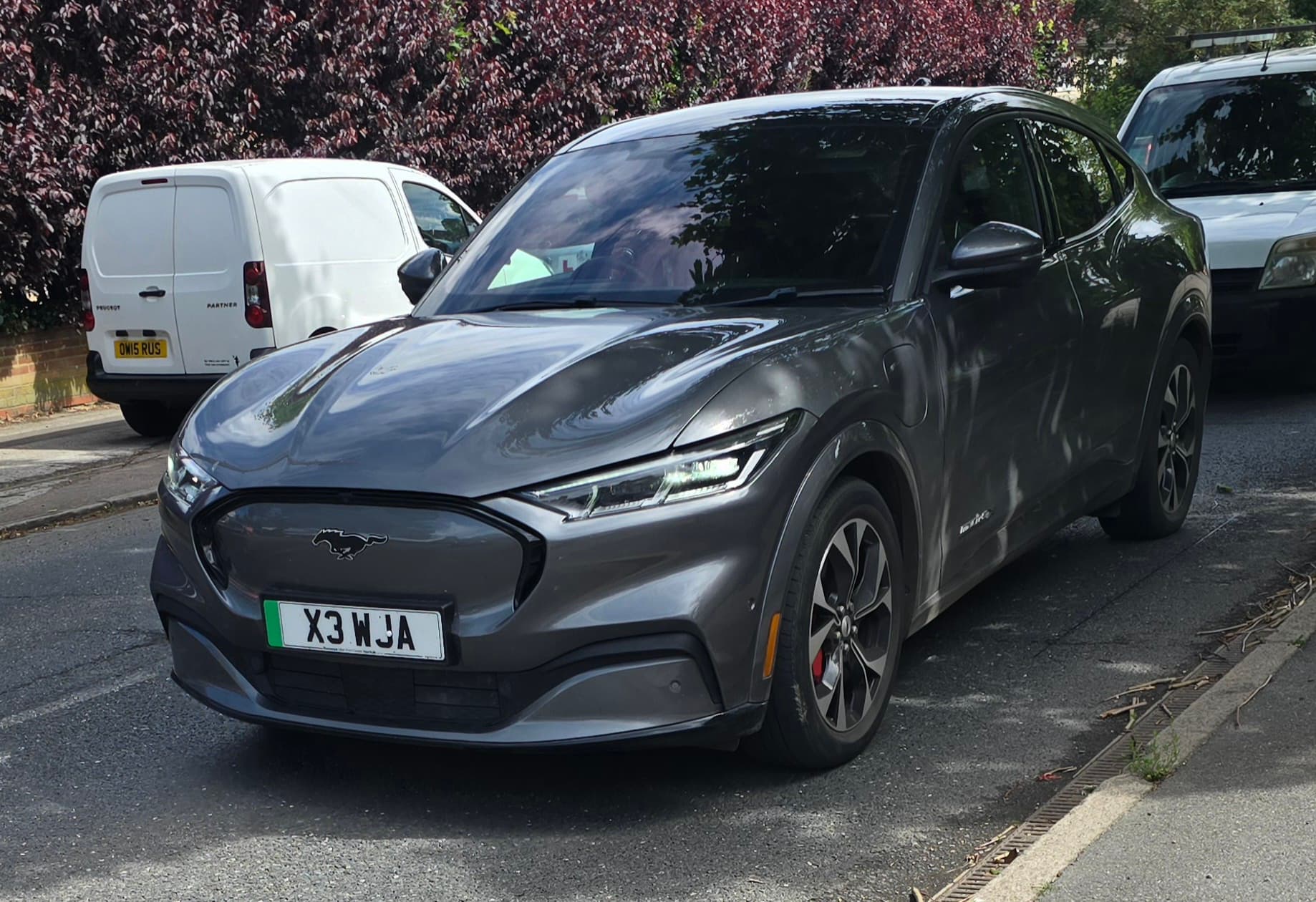
EV Maintenance: What You Do (and Don't) Need to Do
EVs skip oil changes, spark plugs, and belts — but tires, brake fluid, and the 12V battery still matter. Here's the full EV maintenance checklist and costs.
EV maintenance is one of the biggest — and least talked about — advantages of going electric. Because an electric car has no engine oil, no spark plugs, no timing belt, no exhaust system, and far fewer moving parts overall, most owners spend noticeably less time and money at the service department than they did with a gas car. Studies from consumer organizations and fleet operators consistently find that EVs cost roughly 30-50% less to maintain over their lifetime than comparable gas vehicles.
That doesn't mean EVs are maintenance-free. Tires, brake fluid, cabin air filters, wiper blades, coolant, and the humble 12-volt battery still need attention — and a couple of those items actually need more attention on an EV than on a gas car. Skipping them can cost you real money, and in some cases can even affect your battery warranty.
This guide walks through exactly what EV maintenance you do need to do, what you can happily forget about forever, what a typical service schedule looks like, and how the costs compare to a gas car. If you're still weighing an EV purchase, you can see the full ownership-cost picture — fuel and maintenance included — with our EV vs. gas 5-year cost calculator.
What EVs Don't Need: Maintenance You Can Forget About
Start with the good news. A battery-electric vehicle eliminates most of the maintenance items that fill a gas car's service schedule:
- Oil changes. No engine, no engine oil. This alone saves most drivers two to four service visits per year.
- Spark plugs and ignition components. Electric motors don't ignite anything, so there are no plugs, coils, or wires to replace.
- Timing belts and serpentine belts. There's no accessory belt system to crack, squeal, or snap at 90,000 miles.
- Transmission service. Most EVs use a simple single-speed gear reduction unit rather than a multi-gear transmission. There's no transmission fluid flush on the schedule for most models (a few, like the Porsche Taycan with its two-speed rear gearbox, are exceptions).
- Exhaust and emissions systems. No muffler, catalytic converter, oxygen sensors, or EGR valves — and no catalytic converter theft to worry about, either.
- Fuel system maintenance. No fuel filter, fuel pump, or injector cleaning.
- Emissions inspections. In most states, EVs are exempt from smog checks entirely.
An internal-combustion engine has hundreds of moving parts operating at high temperatures; an EV drive unit has a couple dozen. Fewer parts means fewer things that wear out, and fewer surprise repair bills as the car ages.
EV Maintenance You Do Need to Do
Here's the list that actually matters. None of it is exotic, but a few items deserve more attention on an EV than you may be used to.
Tires: the number-one EV maintenance expense
Tires are the biggest recurring cost of EV ownership, and many owners find they wear 10-20% faster than on a comparable gas car. Two things drive this: EVs are heavier (batteries are dense), and instant electric torque puts more stress on the rubber, especially if you enjoy quick launches. Rotate your tires every 5,000-7,500 miles, check pressures monthly (proper inflation also protects your range), and budget for a set of replacements somewhere in the 25,000-40,000 mile window depending on how you drive. Many EVs come with specialized low-rolling-resistance or foam-lined acoustic tires that cost more than average to replace — worth factoring into your budget.
Cabin air filter
Your EV still filters the air coming into the cabin, and that filter clogs on the same schedule as any car: typically every 12,000-24,000 miles or every one to two years. It's a cheap part, and on many models it's a simple DIY job behind the glovebox.
Brake fluid and brake inspection
Here's a genuine EV quirk: because regenerative braking does most of your slowing, the friction brakes get used far less — pads on EVs routinely last 80,000-100,000+ miles. But brake fluid still absorbs moisture over time regardless of use, so most manufacturers call for a fluid check or replacement every two to three years. And because lightly used brakes can develop rotor rust and sticky caliper slides, an annual brake inspection (and occasional firm stops to clean the rotors) is smart preventive care. Your owner's manual will have the exact interval for your model.
Battery coolant
Most modern EVs use a liquid thermal-management system to keep the battery pack in its happy temperature range. That coolant typically needs checking or replacement on a long interval — commonly somewhere between 50,000 and 150,000 miles depending on the manufacturer. This is not a DIY job on most EVs; the cooling loop runs through the high-voltage battery, so leave it to a qualified technician.
The 12-volt battery
Surprise: your EV still has a conventional 12-volt battery that powers the computers, locks, lights, and screens. It typically lasts three to six years, just like in a gas car, and when it dies your EV won't start even with a full main battery. Some newer models have moved to longer-lived lithium-ion 12V batteries, but for most EVs, plan on a replacement at some point.
Wipers, washer fluid, and the small stuff
Wiper blades, washer fluid, key fob batteries, and door/charge-port seals all carry over from gas-car ownership unchanged. Keeping the charge port clean and dry is a small extra habit worth building, especially in winter.
Software updates
A uniquely EV item: many electric vehicles receive over-the-air software updates that can improve range estimation, charging speed, and features — and occasionally fix real problems that would have required a recall visit in the gas era. Keep your car connected to Wi-Fi where possible and install updates promptly. For models without OTA capability, your dealer may apply updates during routine service.
A Typical EV Maintenance Schedule
Every manufacturer publishes its own schedule, but here's a representative outline of what EV maintenance looks like over time:
| Interval | Typical service items |
|---|---|
| Monthly | Check tire pressures; top up washer fluid |
| Every 5,000-7,500 miles | Rotate tires; visual brake and suspension check |
| Every 1-2 years | Replace cabin air filter; brake inspection and caliper lubrication (especially in road-salt states) |
| Every 2-3 years | Test or replace brake fluid; check 12V battery health |
| Every 4-6 years | Replace 12V battery as needed; new wiper blades as needed |
| ~50,000-150,000 miles | Battery/drive-unit coolant service per manufacturer schedule |
Compare that to a gas car's schedule — oil changes every 5,000-10,000 miles, air filters, spark plugs, transmission fluid, belts, and more — and the difference is striking. Many EV manufacturers, including Tesla, have moved away from fixed annual service entirely and simply recommend condition-based checks.
How Much Does EV Maintenance Cost?
Fleet data and consumer studies generally put EV maintenance and repair costs at roughly 6-7 cents per mile versus about 10 cents per mile for gas vehicles — a savings of hundreds of dollars per year for a typical driver, and several thousand dollars over a typical ownership period. Your actual savings depend on what you're replacing: trading in a German luxury sedan with $400 oil services will feel very different from trading in an economy car.
The main costs to plan for:
- Tires: $600-$1,500+ per set depending on the vehicle, potentially a bit more often than you're used to.
- Routine service visits: Often $100-$300 for the periodic filter/fluid/inspection items, and less frequent than gas-car service.
- The 12V battery: Usually $100-$300 installed.
- Out-of-warranty repairs: Rare but potentially pricey; the high-voltage battery is warrantied for at least 8 years or 100,000 miles by federal requirement, which covers the single most expensive component through the years most owners keep the car.
To see how maintenance savings stack with fuel savings for your specific situation, plug your numbers into the EV vs. gas cost calculator — and check the charging cost calculator to estimate your monthly "fuel" bill on home electricity rates.
Maintenance Habits That Protect Your Battery
The battery pack isn't a scheduled maintenance item, but how you treat it is the closest thing EVs have to "taking care of the engine." The short version: charge to 80% for daily driving on most models, avoid leaving the car parked for long periods at 100% or near 0%, use DC fast charging when you need it rather than as your everyday routine, and park in the shade or a garage during extreme heat when you can. You can estimate how weather and driving conditions affect your usable range with our range calculator. Following your manufacturer's charging recommendations also keeps you squarely inside battery warranty terms.
Where to Get Your EV Serviced
For warranty work and anything involving the high-voltage system, the dealer or manufacturer service network is your default. But for the routine items — tires, rotations, cabin filters, wipers, brake fluid, 12V batteries — most independent shops and tire chains can handle an EV just fine, and more independents are adding EV certifications every year. Mobile service is another EV-era perk: Tesla, Rivian, and Lucid perform many repairs in your driveway, and some traditional dealers now offer mobile service for their EVs too.
A note for DIYers: everything colored orange under the hood or the car is high-voltage. Tire rotations, cabin filters, and wipers are fair game; anything touching the battery, drive units, or orange cabling is not.
FAQ
Do electric cars need oil changes?
No. EVs have no engine oil, so there are no oil changes — ever. Some EVs have gearbox lubricant in the drive unit, but it's typically sealed for life or on a very long inspection interval.
How often does an EV need to be serviced?
Most manufacturers recommend tire rotations every 5,000-7,500 miles and a broader check every one to two years for items like the cabin filter and brake fluid. Several EV brands have no fixed annual service requirement at all — just condition-based maintenance.
Is EV maintenance really cheaper than a gas car?
Yes, typically 30-50% cheaper over time. EVs eliminate oil changes, spark plugs, belts, exhaust, and most transmission service, and regenerative braking makes brake pads last far longer. Tires are the one area where EVs can cost slightly more.
What is the most expensive maintenance item on an EV?
Tires, by a wide margin, for routine maintenance. EVs are heavier and torquier than comparable gas cars, so tires can wear 10-20% faster, and EV-specific tires cost more to replace. The high-voltage battery is the priciest component overall, but it's covered by a federally mandated warranty of at least 8 years or 100,000 miles.
Can any mechanic work on an electric car?
For tires, brakes, suspension, cabin filters, and 12V batteries — yes, most shops can. For anything involving the high-voltage battery, drive units, or charging system, use the dealer, the manufacturer's service network, or an independent shop with EV certification.
Bottom line
EV maintenance is simpler, cheaper, and less frequent than gas-car maintenance: no oil, no plugs, no belts, no exhaust. What remains — tires, cabin filters, brake fluid, coolant on a long interval, and the 12V battery — is straightforward and inexpensive. Stay on top of tire rotations and the occasional inspection, follow smart charging habits, and your EV will likely spend less time in a shop than any car you've owned. Ready to see the numbers for your situation? Run your 5-year EV vs. gas comparison or browse EVs to find your match.